Oslo
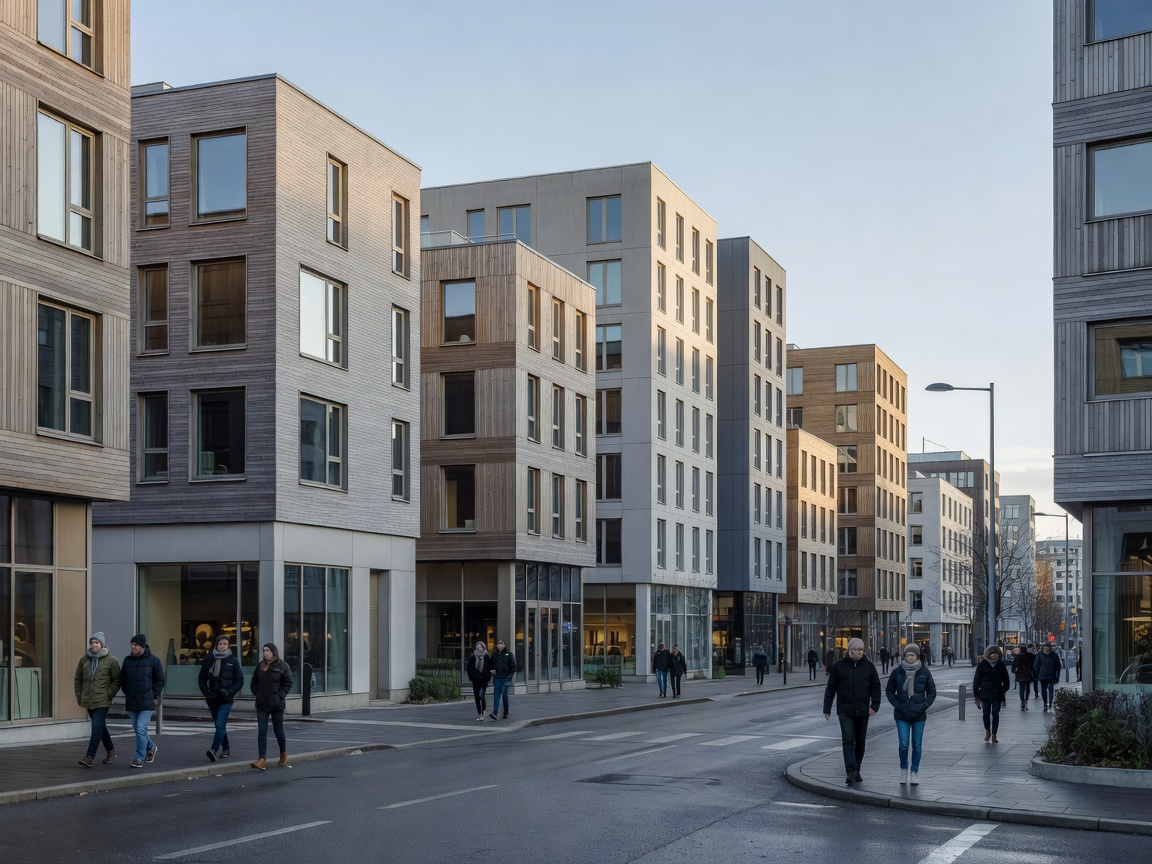
A capital rebuilt around its waterfront: the Munch museum, the Opera roof you can walk on, forest trams to Nordmarka, and the best starting point for the Bergen Railway.
Read the Oslo file →Travel through fjords, Arctic islands, mountain roads and some of Europe's most dramatic scenery — documented route by route, season by season.
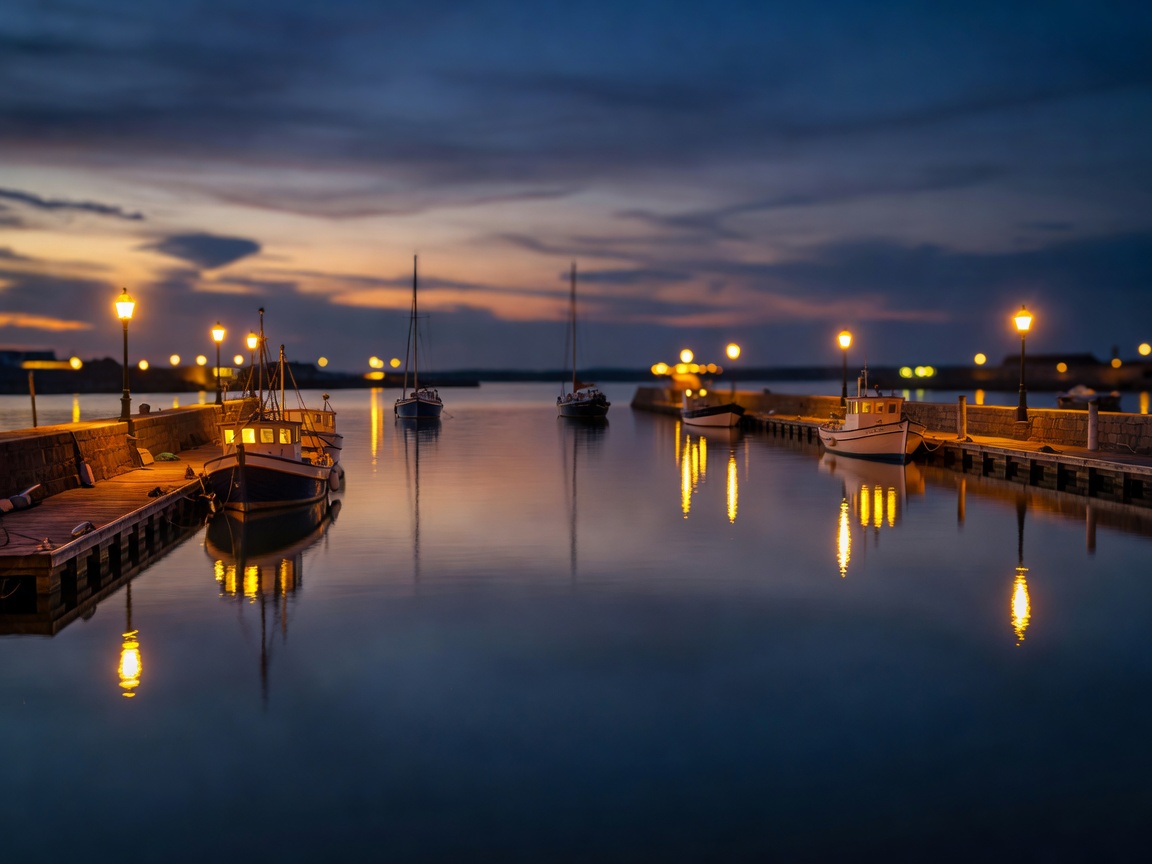
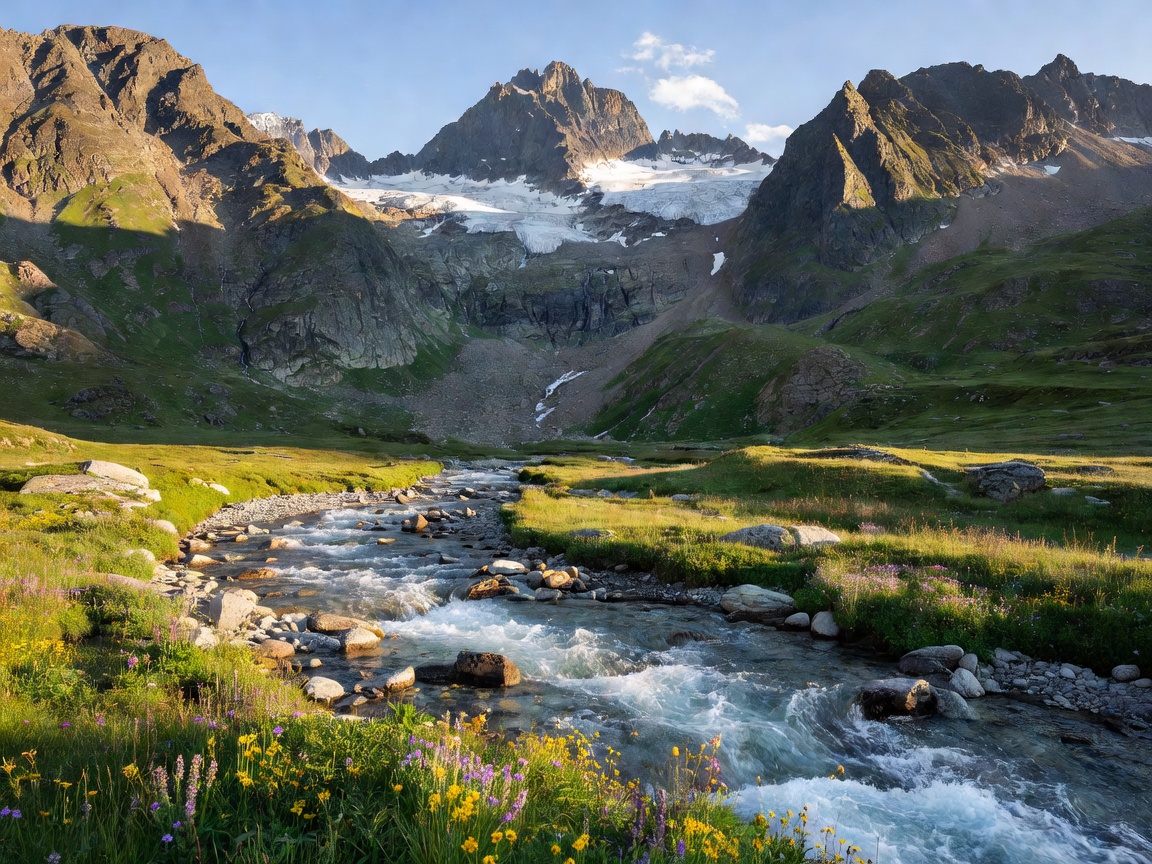
Norway is 2,500 kilometres long and almost impossible to see in one trip. This guide is built the way Norwegians actually travel: in regions, along ferry lines, over mountain passes, and around the weather. Every route below has been walked, driven or sailed by our contributors.
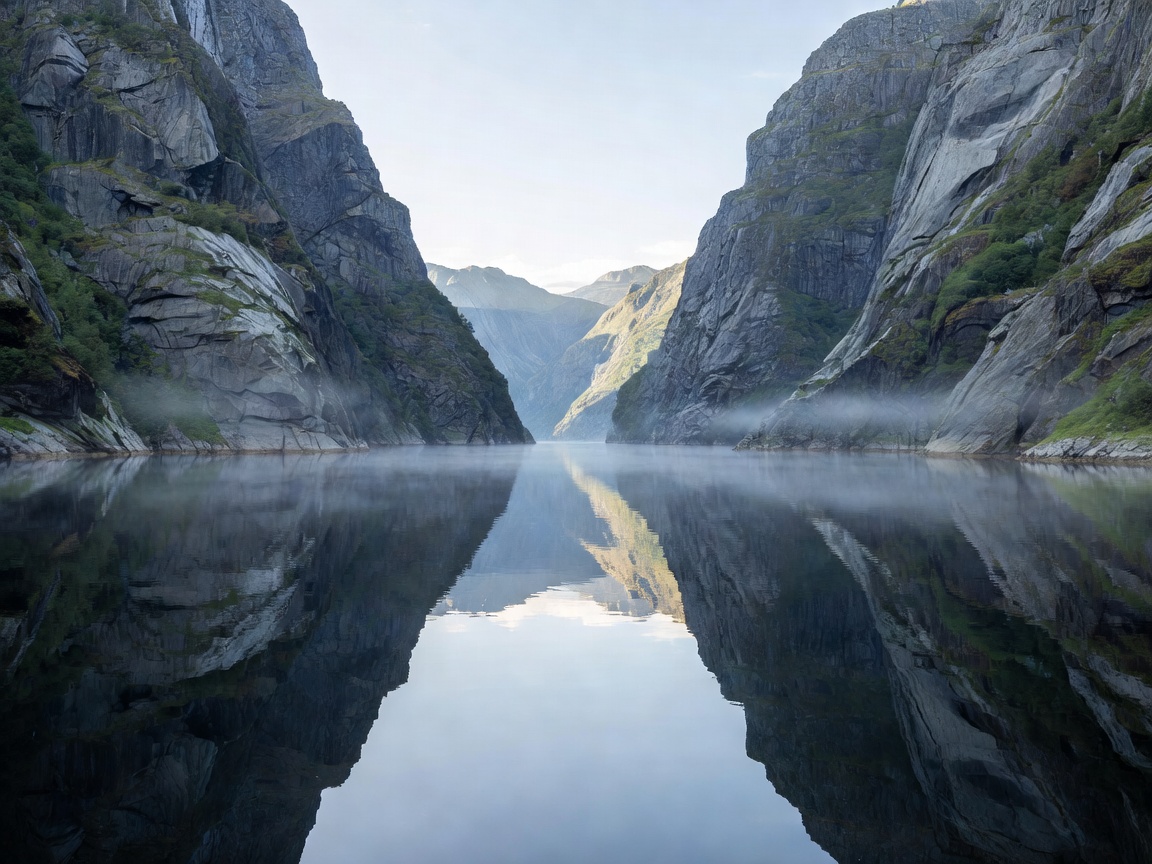
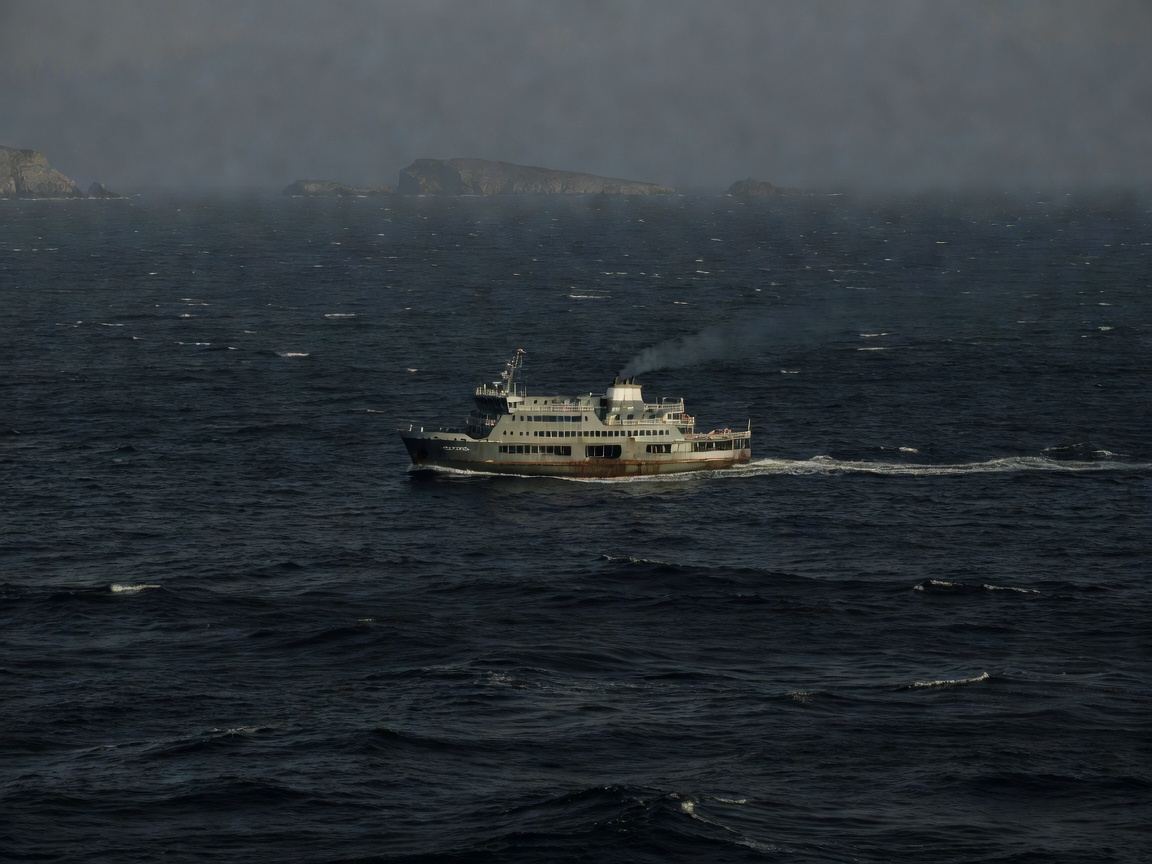
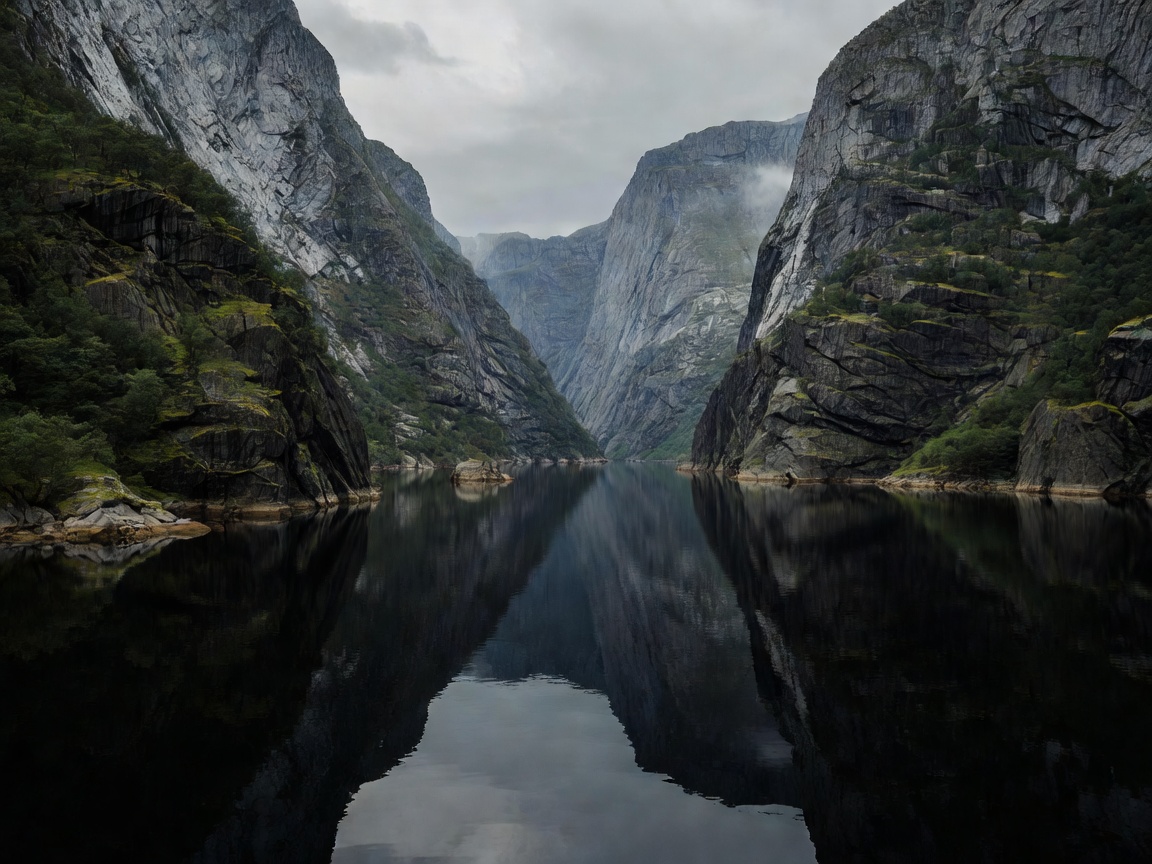
Geiranger, Nærøyfjord, Lysefjord and the ferry network that stitches western Norway together.
Open chapter →
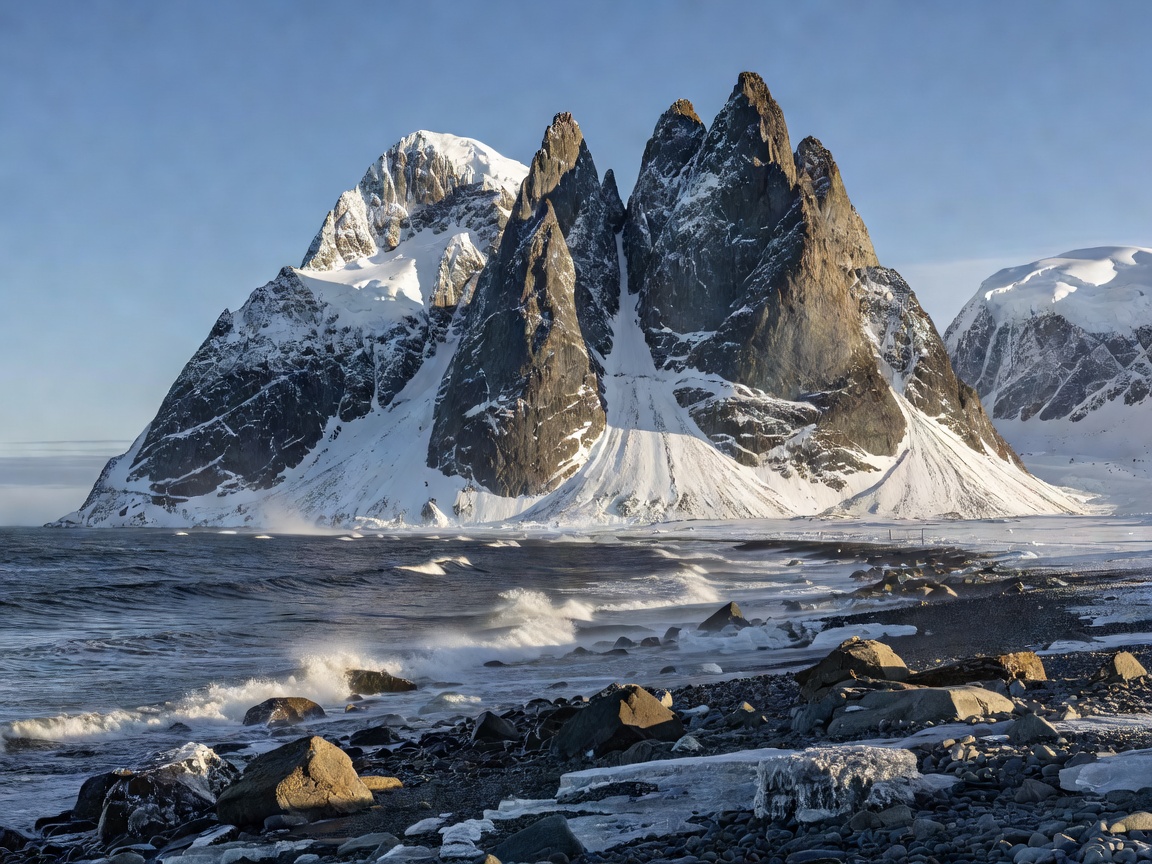
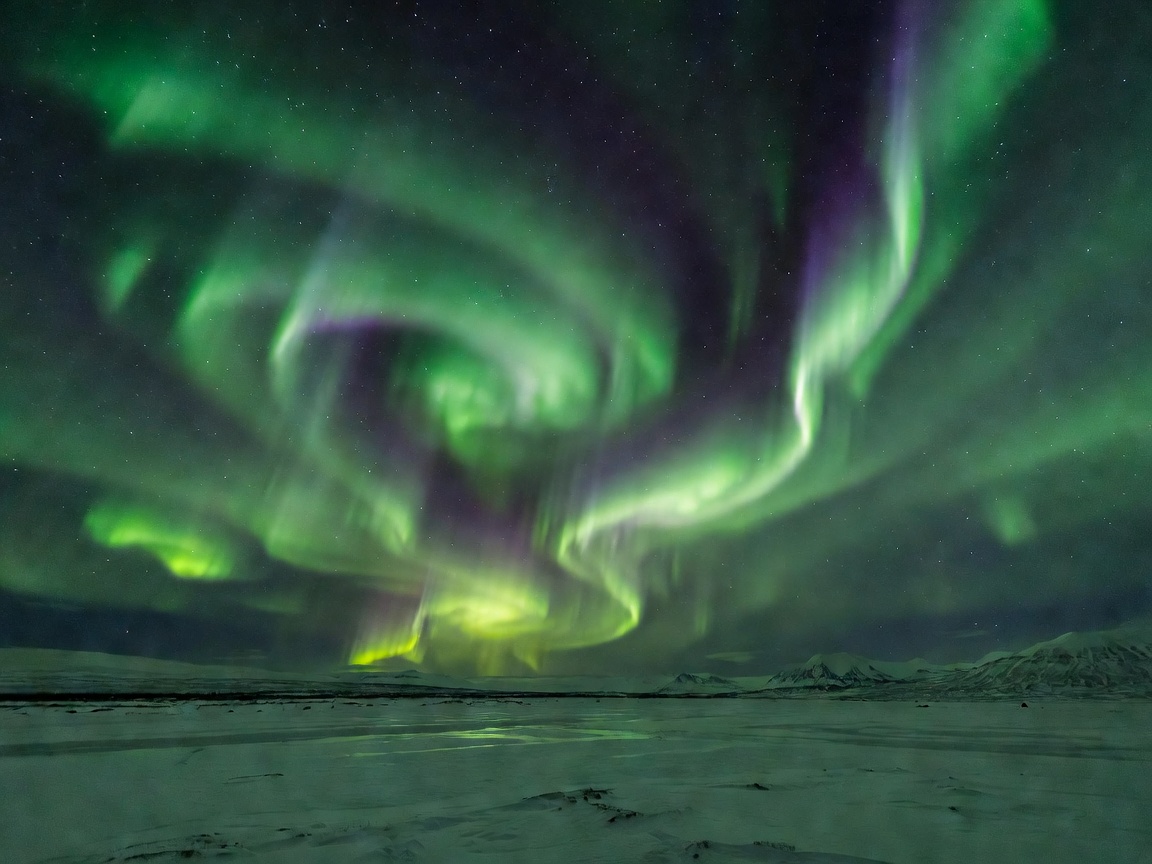
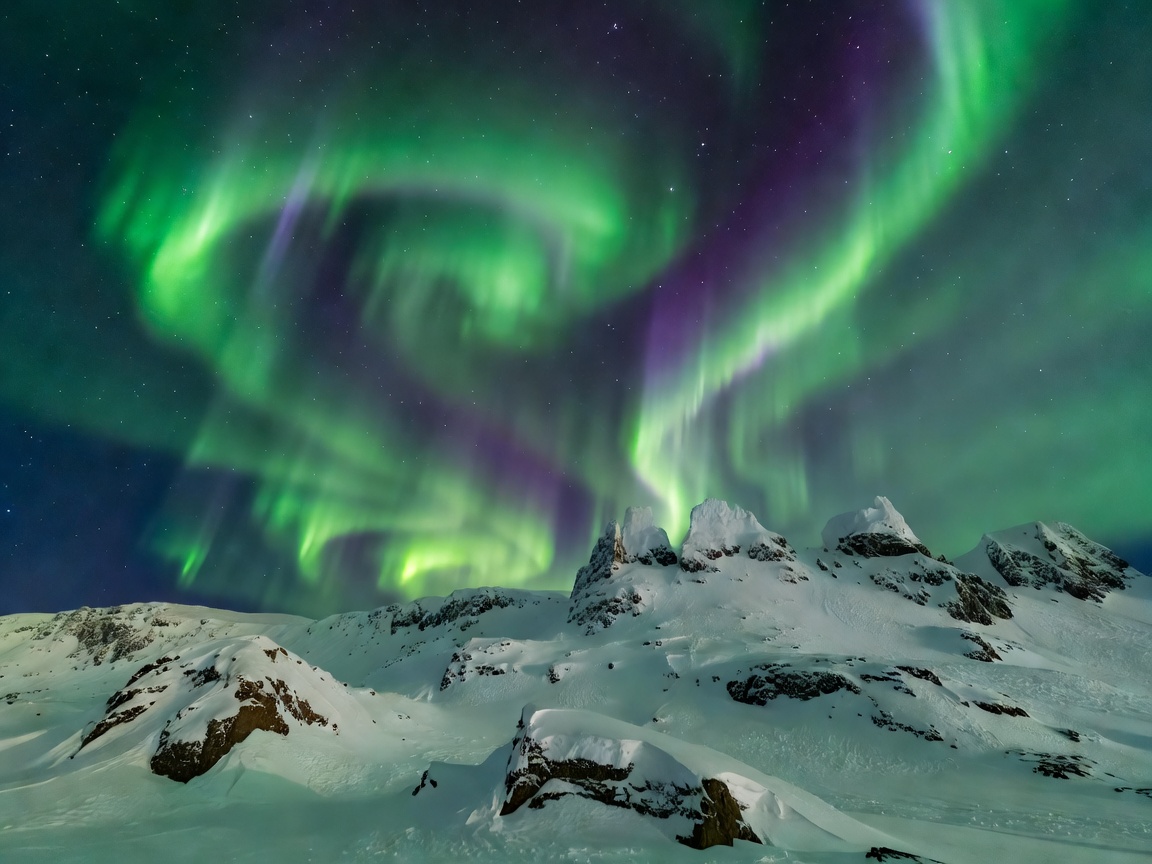
Tromsø, Lofoten and the polar seasons — aurora nights, blue-free amber skies and 24-hour daylight.
Open chapter →
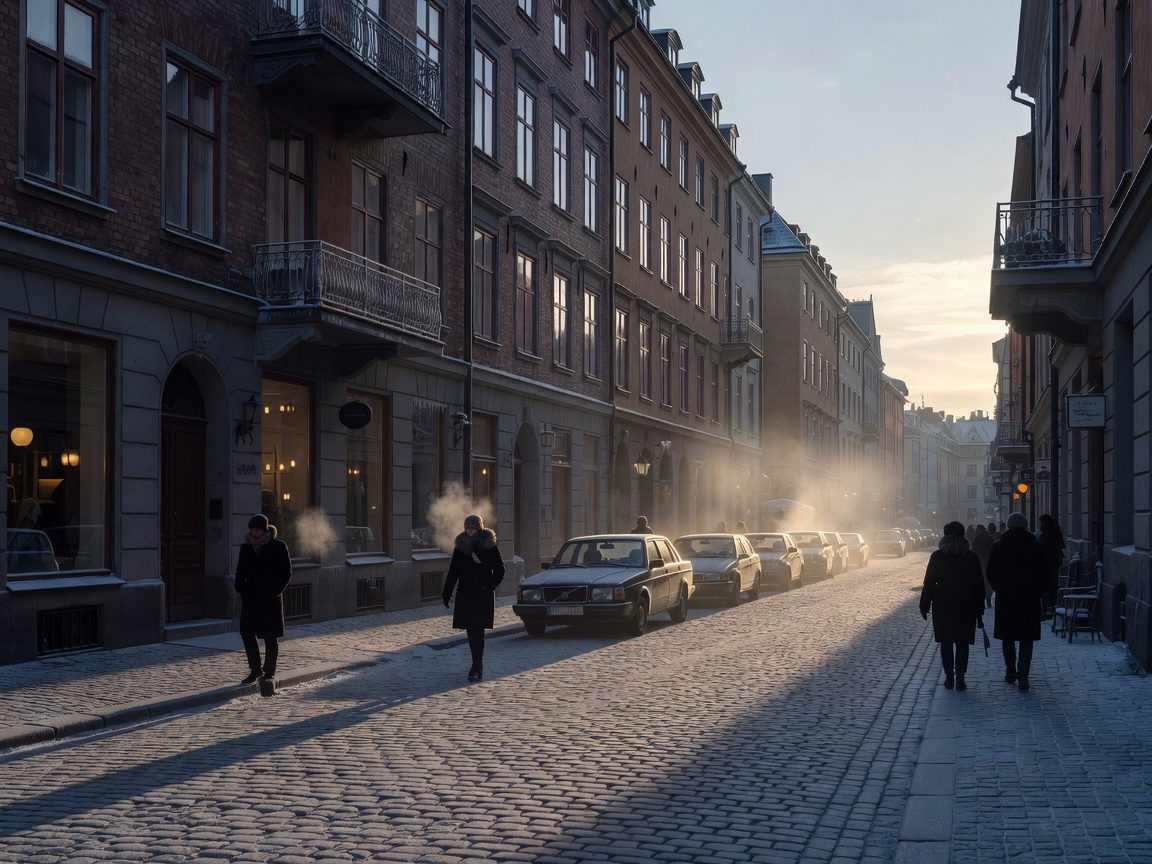
Oslo, Bergen and Stavanger — harbour architecture, seafood halls and museums with real weight.
Open chapter →
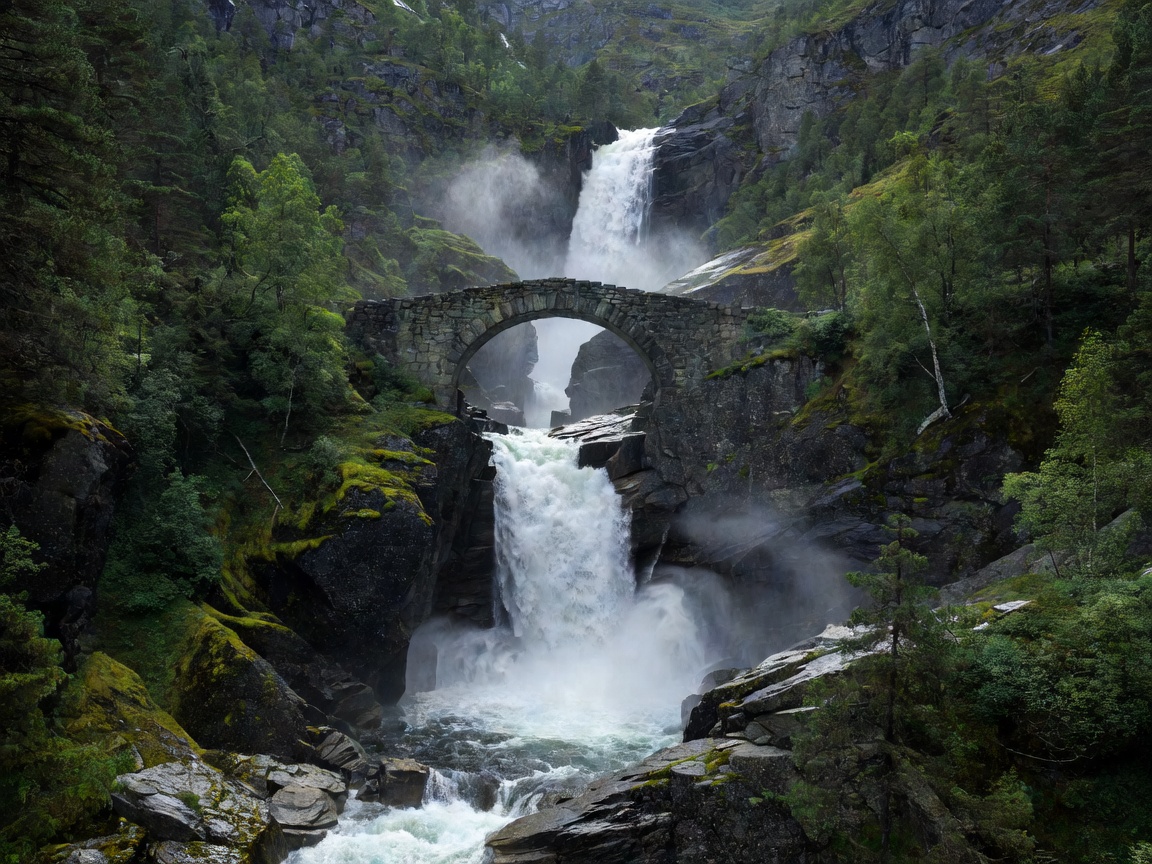
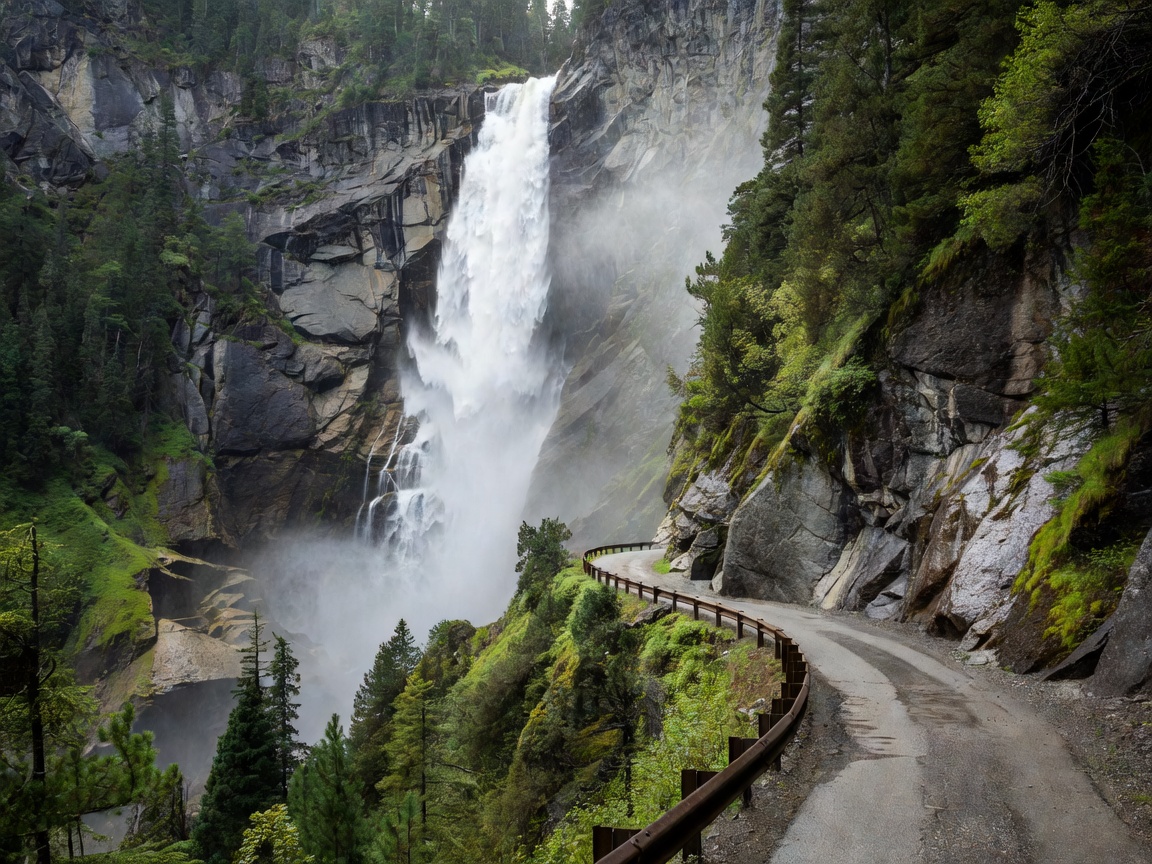
Trollstigen, the Atlantic Road and eighteen National Scenic Routes, with fuel and ferry logic.
Open chapter →Each destination file carries a full brief: how to arrive, when to go, what a realistic day looks like, where to eat, and what is genuinely worth your limited daylight.
A capital rebuilt around its waterfront: the Munch museum, the Opera roof you can walk on, forest trams to Nordmarka, and the best starting point for the Bergen Railway.
Read the Oslo file →
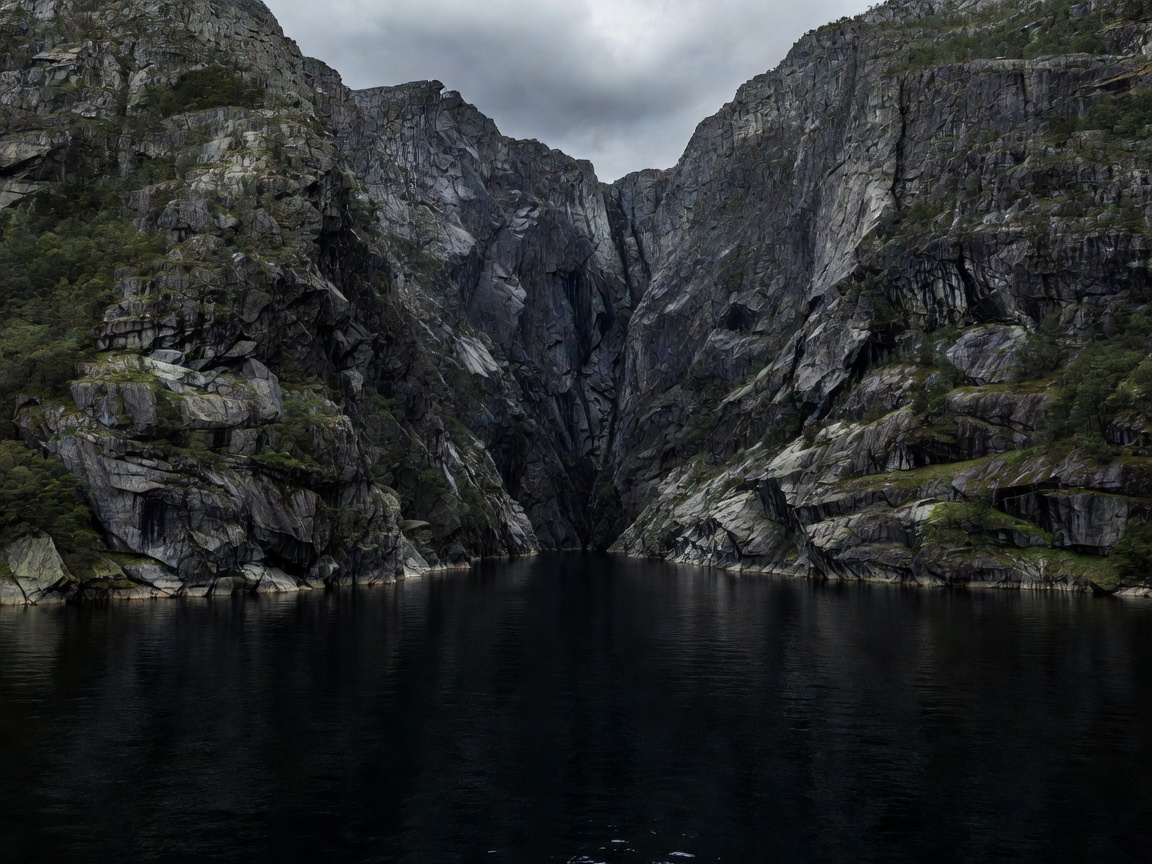
Seven mountains, 235 rainy days a year, and the most useful fjord gateway in the country. Bryggen, the fish market, Fløibanen and the ferry to Nærøyfjord.
Read the Bergen file →
Fifteen kilometres of near-vertical rock, abandoned cliff farms and the Seven Sisters waterfall. Reachable by Ørnevegen, Trollstigen or the Hellesylt ferry.
Read the fjord file →
Just 250 metres across at its narrowest. The classic Gudvangen–Flåm crossing on a silent electric ferry is the single best two hours in western Norway.
Read the fjord file →
Granite peaks straight out of the Atlantic, red rorbuer cabins, drying cod racks and beaches that look tropical until you touch the water. Best over 4–5 days.
Read the Lofoten file →
The Arctic's most liveable city: polar night in December, midnight sun in June, cable car views over island channels, and the country's best aurora logistics.
Read the Tromsø file →
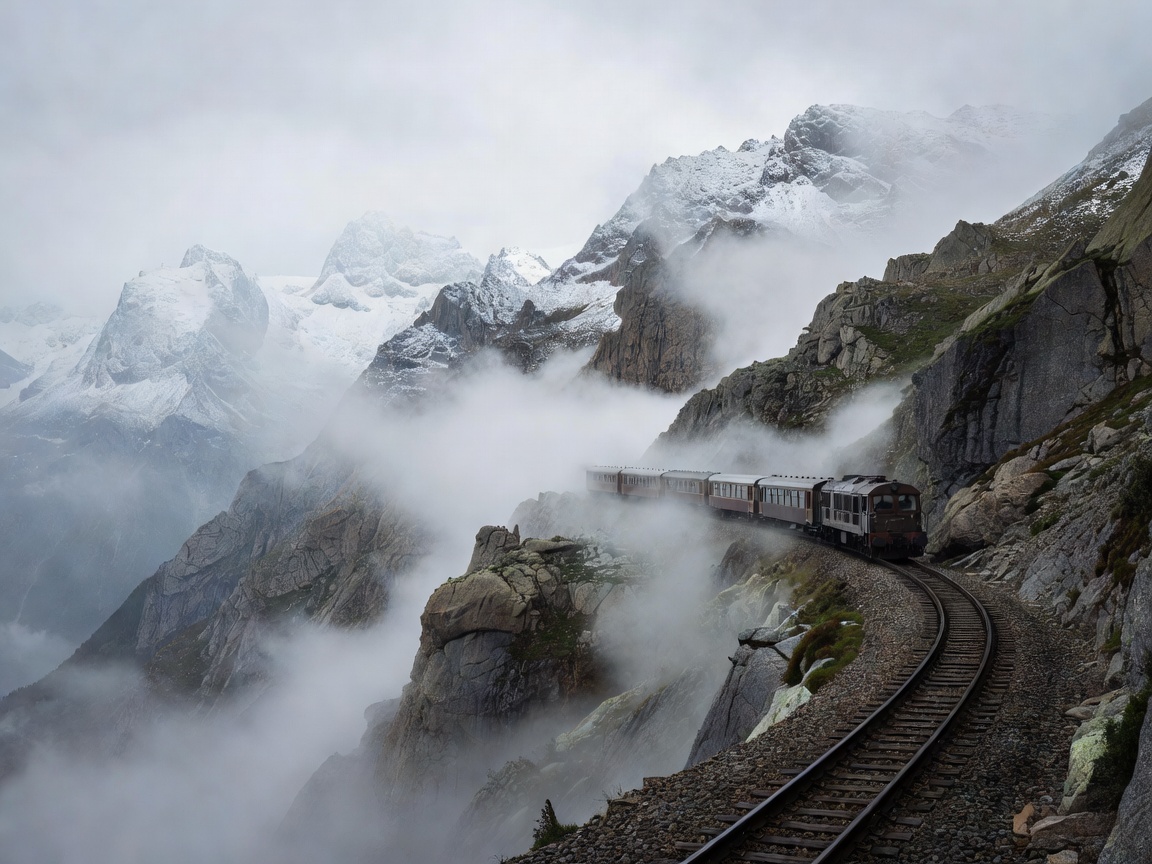
Twenty kilometres, 863 metres of climb, twenty tunnels, and a gradient of 1:18 on open track — built between 1924 and 1940 largely by hand. It exists because the Aurlandsfjord communities needed to reach the Bergen Line at Myrdal.
Today it is the most photographed rail journey in Scandinavia, but the engineering is the real story. Our guide explains where to sit, which side has the light, how to combine it with the Nærøyfjord ferry, and why the shoulder seasons beat July.
Read the railways guide →Norway rewards preparation more than most countries. These are the working documents: seasons, transport mechanics, trail grades, and food culture that goes far beyond salmon.

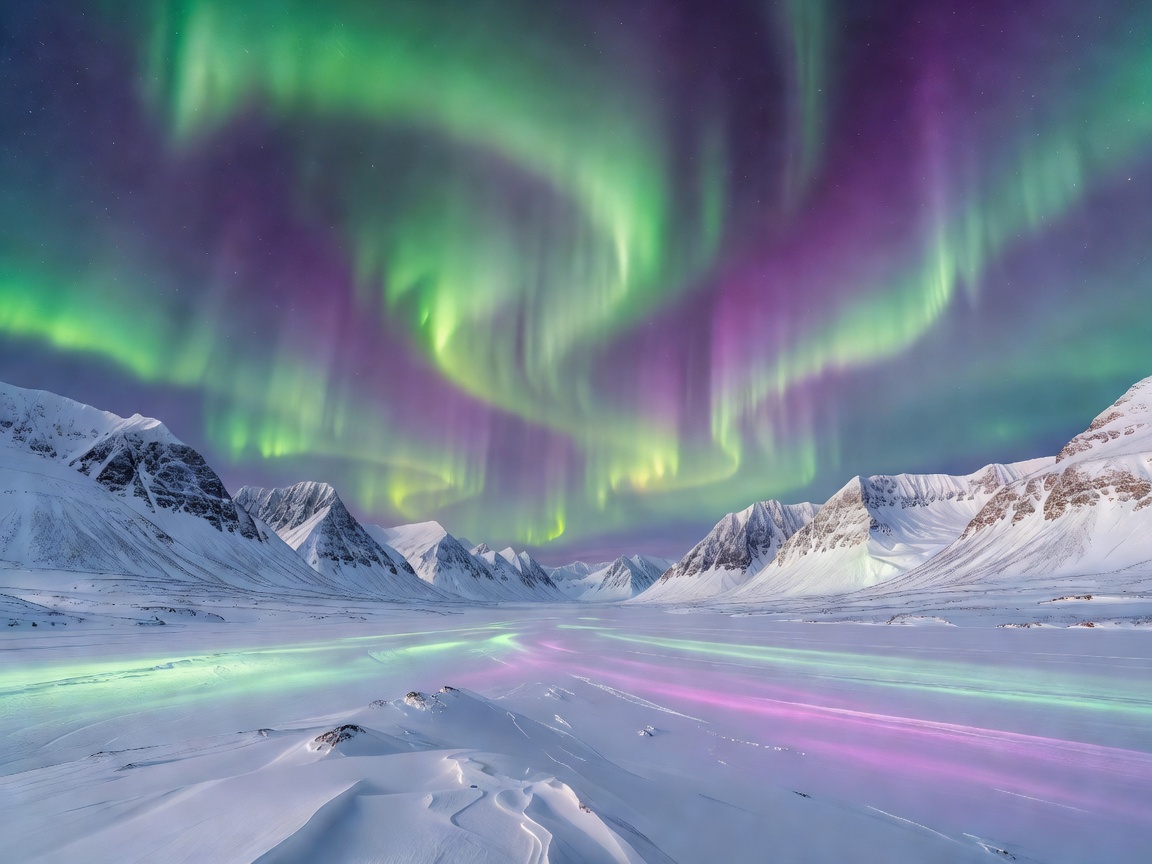
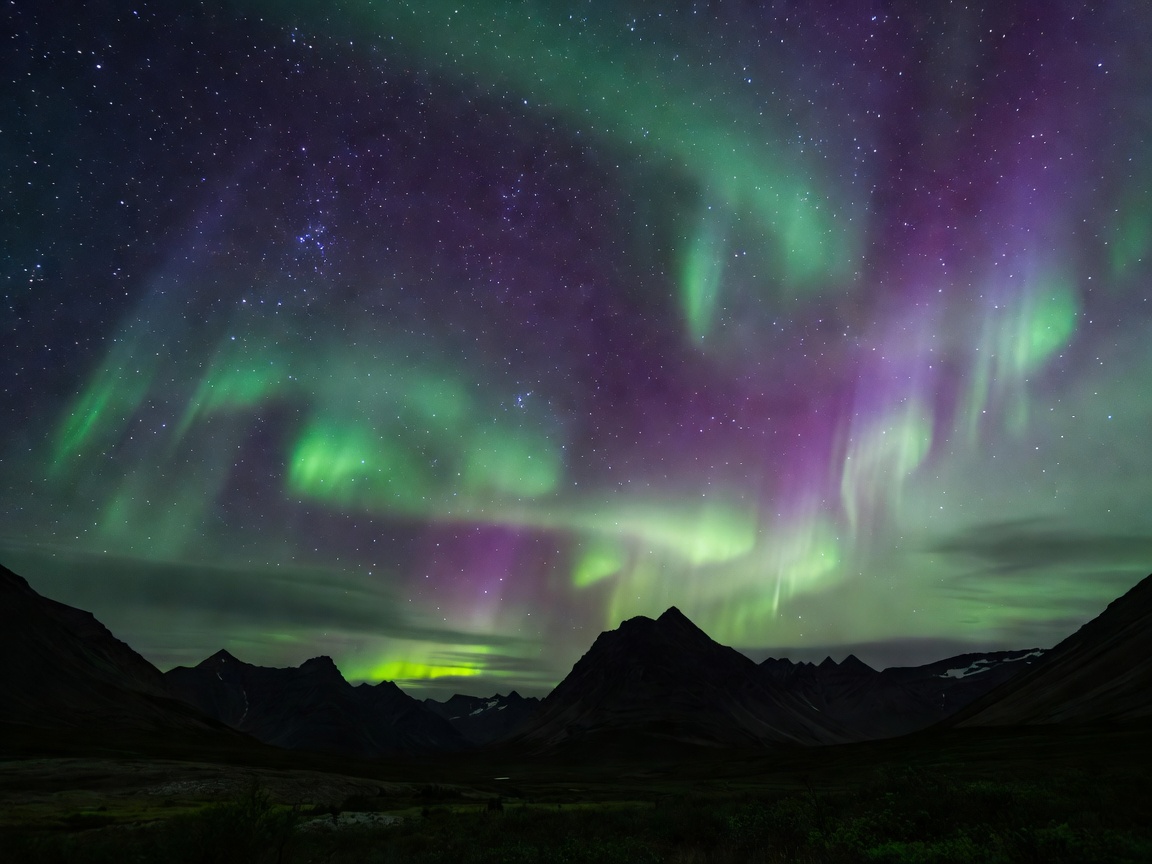
Where, when and how to actually see the aurora — with realistic expectations and a season-by-season plan.
Open guide →
Twenty-four hour daylight from late May to late July, and how to sleep, hike and shoot in it.
Open guide →
Bergen Line, Flåm, Rauma and Nordland — seat strategy, timetables and connections that work.
Open guide →
National Scenic Routes, ferry queues, tolls, tunnels and the real cost of driving Norway.
Open guide →
Eleven hairpins, a 9% gradient and snow walls still standing in late May. What the pass is like before the coaches arrive, and how to time the drive.
Read the dispatch →
AutoPASS billing, queue etiquette, which crossings need booking, and why the ferry timetable should dictate your entire western itinerary.
Read the dispatch →Tell us your dates and we will point you at the right region, the right railway and the right week of light.