Home / Destinations / Stavanger
File 07 · Rogaland · 58.9700° N, 5.7331° EStavanger
Oil capital, street-art city, and the practical front door to Lysefjord, Preikestolen and Kjerag. Also the best beaches in Norway, if you can accept a 15 °C sea.
Home / Destinations / Stavanger
File 07 · Rogaland · 58.9700° N, 5.7331° EOil capital, street-art city, and the practical front door to Lysefjord, Preikestolen and Kjerag. Also the best beaches in Norway, if you can accept a 15 °C sea.
Stavanger's old core is tiny — you can cross it in fifteen minutes — and it splits into three characters. Gamle Stavanger, west of the harbour, is 173 restored 18th and 19th-century white wooden houses on cobbled lanes, the largest surviving wooden settlement in northern Europe. Vågen, the harbour itself, holds the restaurants and the Sunday-night noise. Øvre Holmegate, one street inland, is the deliberately colour-painted café street that every guidebook photographs.
North Sea oil arrived in 1969 and rebuilt the local economy; the Norwegian Petroleum Museum on the waterfront explains it with unusual honesty, including the environmental arguments, and is far more interesting than it sounds.
| Connection | Mode | Time | Notes |
|---|---|---|---|
| Oslo ↔ Stavanger | Sørland Line train | 7 h 45 | Overnight service available |
| Bergen ↔ Stavanger | Express boat | 4 h 30 | Scenic coastal run via Haugesund |
| City ↔ Preikestolen | Ferry + bus (Tau) | ≈ 1 h 20 | Combined tickets from Fiskepirterminalen |
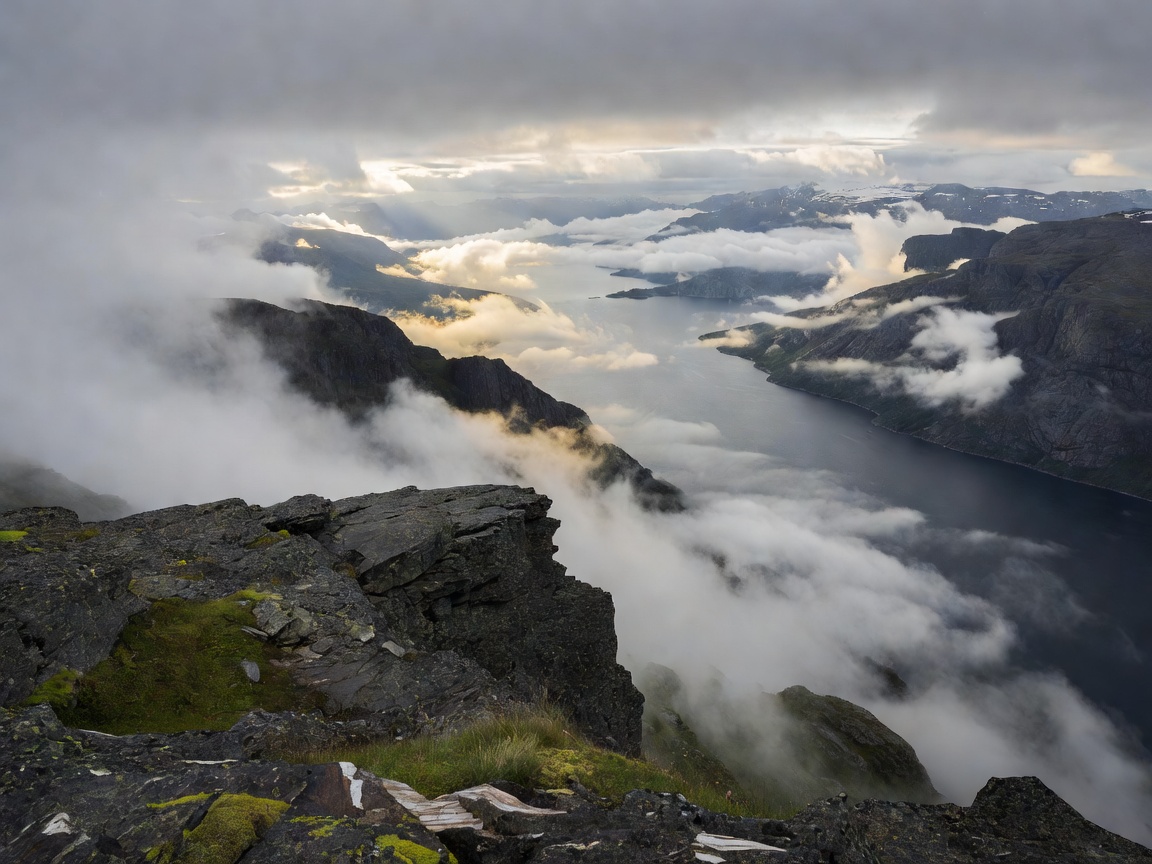
| City ↔ Kjerag | Bus via Lysebotn | ≈ 2 h 30 | Summer only; road closed by snow in winter |

Rogaland's seafood, the sheep farms of Jæren, and eating well for less.
Open guide →