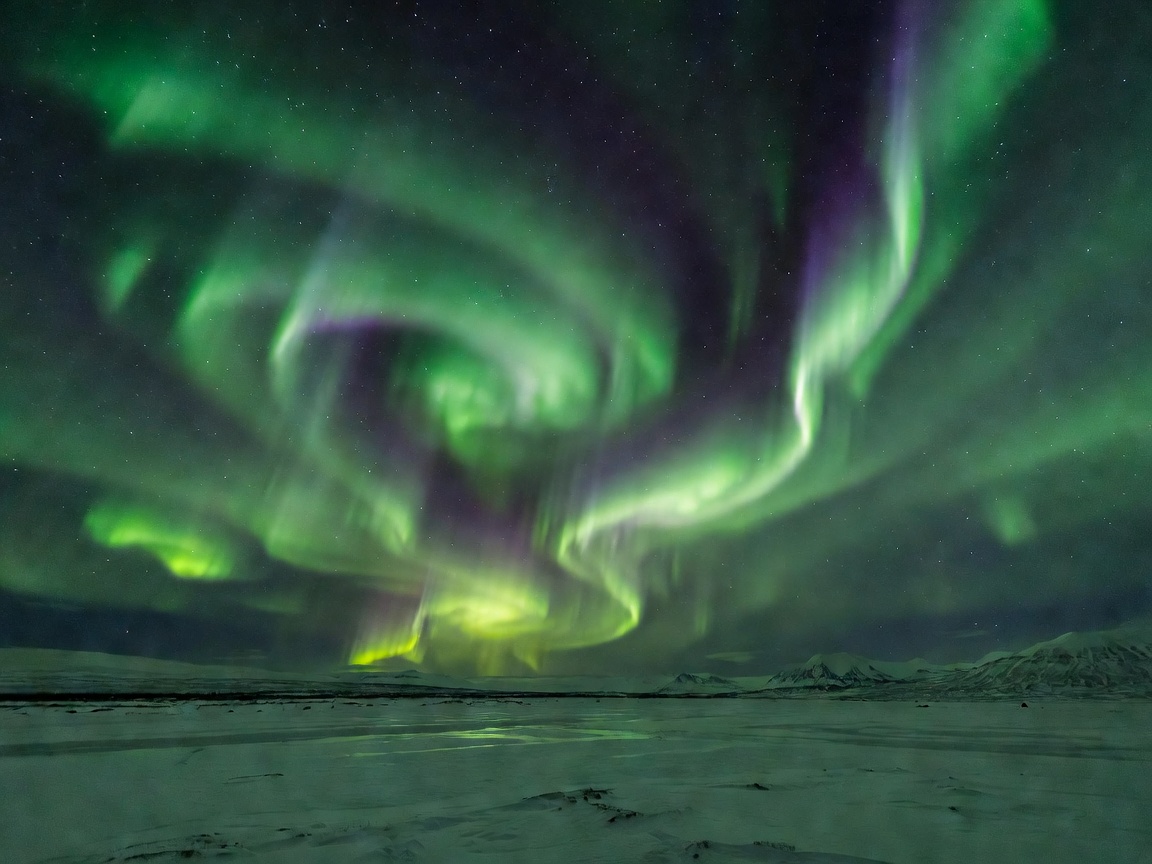
For up to seventy-six days a year the sun does not set in northern Norway. It changes how you hike, how you eat and how you sleep — usually for the better.
The dates, by latitude
The midnight sun occurs when a location is tilted far enough toward the sun that the solar disc never drops below the horizon. The Arctic Circle sits at 66°33′N; north of it, the phenomenon lasts anywhere from a single day to several months.
Place
Latitude
Midnight sun
Duration
Bodø
67.3°N
4 Jun – 8 Jul
≈ 35 days
Lofoten (Svolvær)
68.2°N
26 May – 17 Jul
≈ 53 days
Tromsø
69.6°N
18 May – 26 Jul
≈ 70 days
Alta
69.9°N
16 May – 26 Jul
≈ 72 days
Nordkapp
71.2°N
11 May – 31 Jul
≈ 82 days
South of the Arctic Circle you still get "white nights": Trondheim at 63.4°N never gets fully dark in June, and even Bergen retains usable light until around 01:00 at midsummer.
What it is actually like
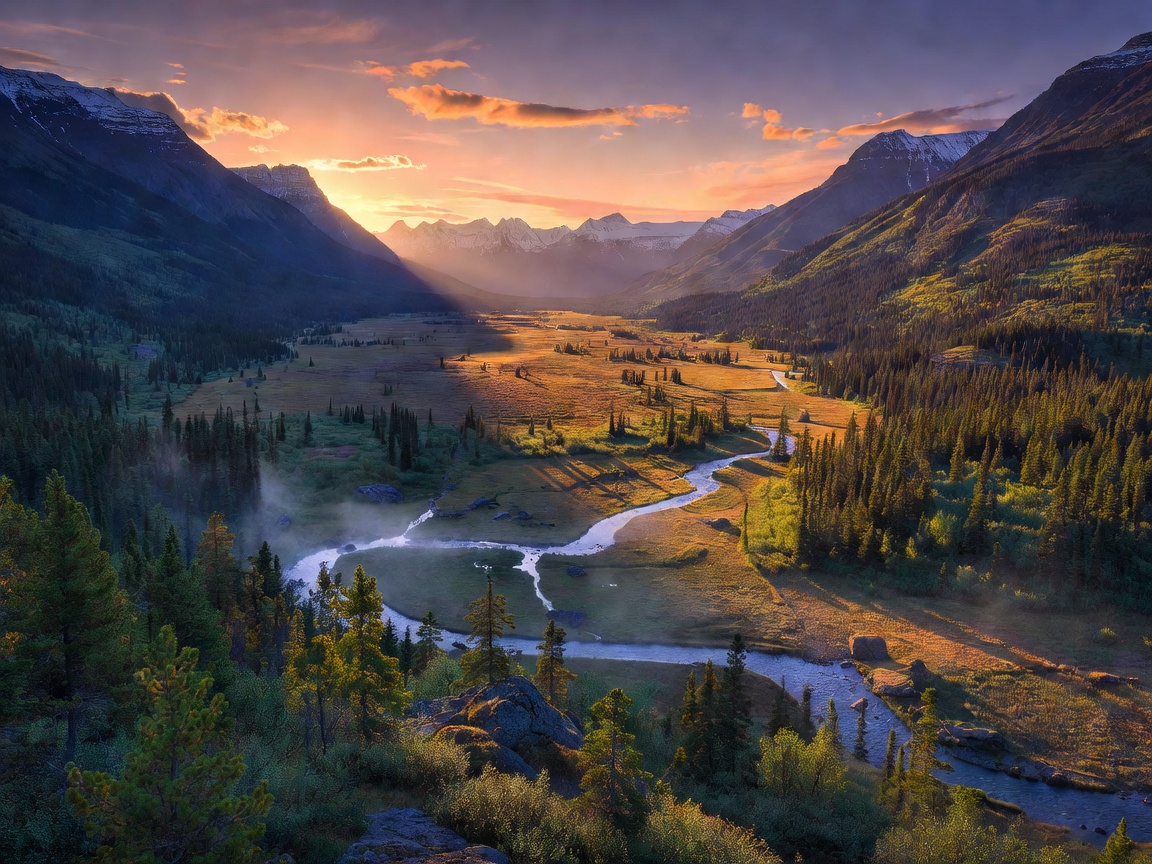
The sun does not hang overhead at midnight — it swings low around the northern horizon, sitting a few degrees above it and then climbing again. The result is several hours of continuous golden hour: long shadows, warm amber light on rock and water, and no blue hour at all. Photographers who plan around it get conditions that simply do not exist further south.
The practical effect is that the day loses structure. Norwegians lean into it — people mow lawns at 23:00, children play football at midnight, and restaurants in Tromsø and Lofoten stay busy far later than in winter.
Light at 23:40 in late June — flat, warm and unusually kind to landscapes.
How to use the night
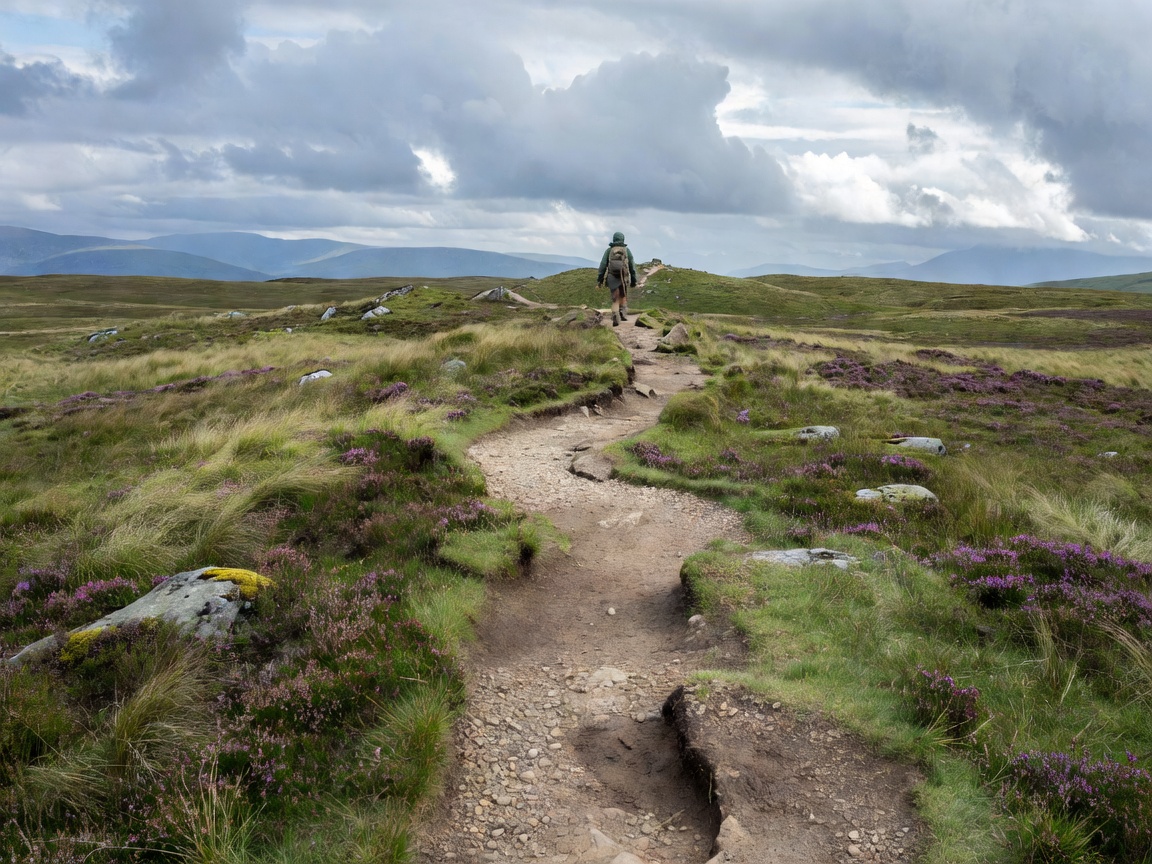
Hike between 21:00 and 02:00. Trails such as Reinebringen or Ryten in Lofoten empty out completely, the light is best, and the air is cooler.
Drive the scenic routes late. The Lofoten E10 and the Senja National Scenic Route are near-deserted after 22:00.
Take a midnight-sun cruise. Boats run from Tromsø, Svolvær and Honningsvåg specifically to be on the water at 00:00.
Play the midnight sun golf course at Lofoten Links, or the equivalent at Tromsø — tee times are genuinely offered at 01:00.
Watch a midnight concert in the Arctic Cathedral in Tromsø, a fixture of the summer calendar.
Sleeping
This is the part most visitors underestimate. Continuous daylight suppresses melatonin, and a poorly curtained room at 01:00 in Lofoten is as bright as mid-afternoon. Practical measures:
Bring a proper contoured sleep mask — hotel blackout curtains in cabins and rorbuer are often inadequate.
Keep fixed meal times; they anchor your body clock better than bedtime does.
Limit alcohol, which fragments sleep more noticeably in constant light.
Accept a short adjustment period. Most people sleep badly on night one and normally by night three.
If camping, orient the tent so the door faces away from the north — and expect the inside to be warm at 02:00.
Weather reality check
Midnight sun does not mean clear sky. June and July in northern Norway average 12–17 °C with frequent cloud and rain; the coast is windier than the interior. The sun being up does not guarantee you will see it. Build a flexible plan and treat a clear midnight as an opportunity to reshuffle your day.
FAQ
Where is the cheapest place to see the midnight sun?
Bodø. It is on the mainland rail network, has an airport with competitive fares, and sits just inside the Arctic Circle. Lofoten is a 3 h 15 ferry away.
Do I need the Nordkapp trip?
Only if reaching the northernmost point of mainland Europe matters to you. The cliff is impressive, the visitor centre is expensive, and the scenery en route through Finnmark is arguably better than the destination.
Are mosquitoes a problem?
Inland and near still water in July, yes — significantly. On the exposed coast and in Lofoten, much less so. Carry repellent with DEET or icaridin.
ContinueRelated
Destination
Lofoten
Fifty-three days of midnight sun and the trails to use it on.