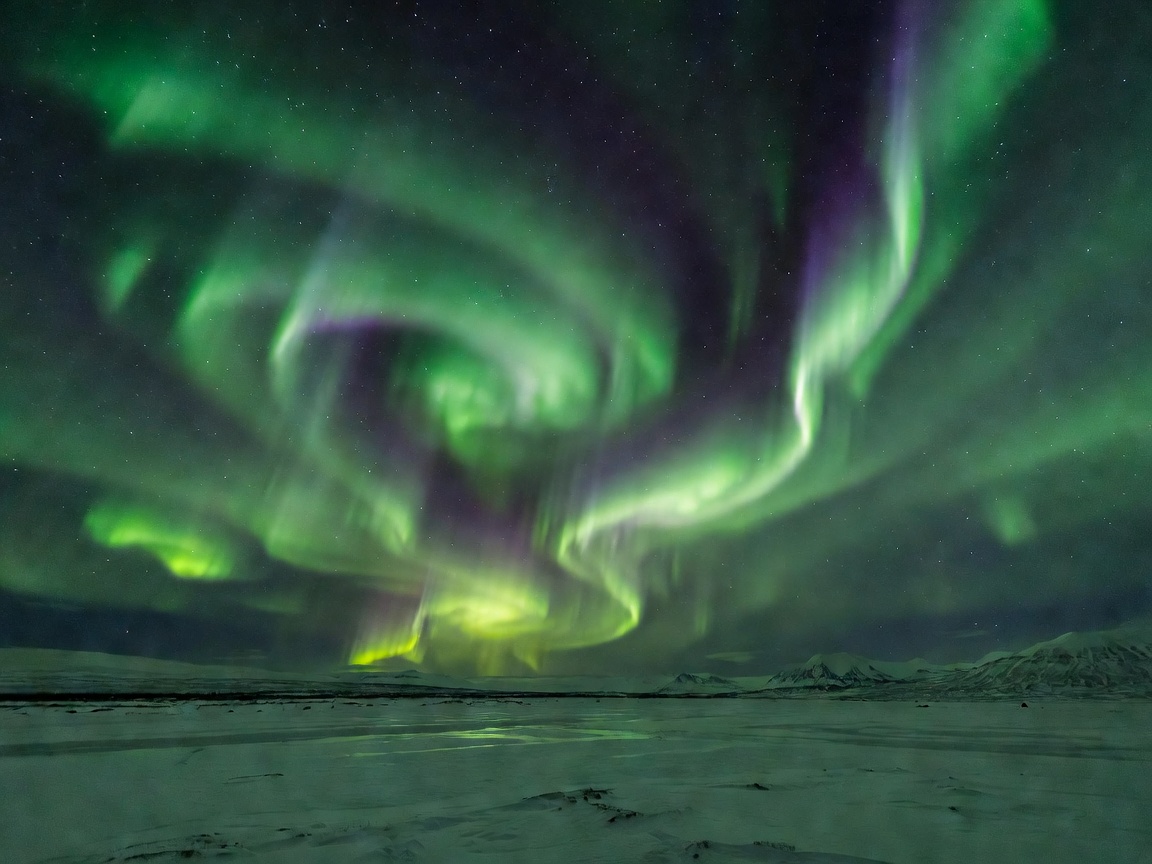
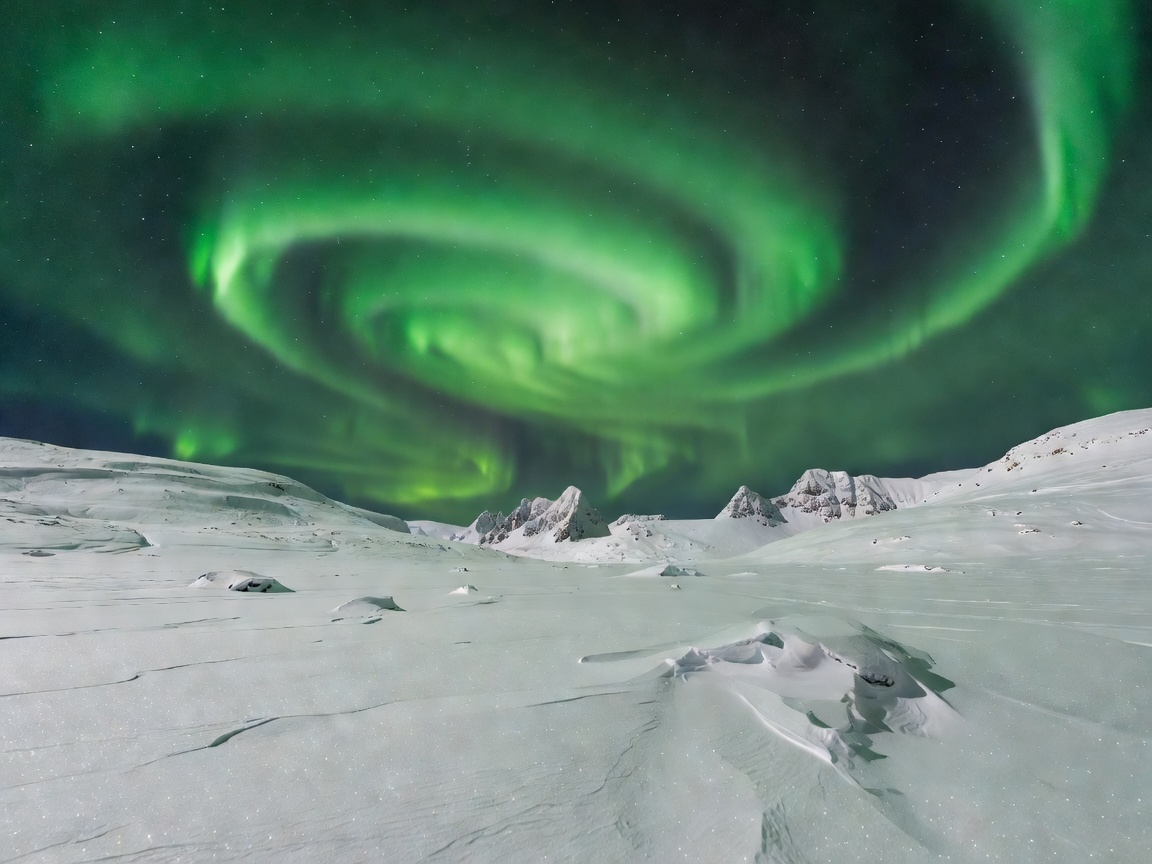
The aurora borealis is caused by charged particles from the sun striking oxygen and nitrogen in the upper atmosphere, guided toward the poles by Earth's magnetic field. The result is a band — the auroral oval — that sits roughly between 65° and 72° north on an average night. Northern Norway from Bodø to Kirkenes lies directly beneath it. That is the whole reason to travel north rather than simply to travel in winter.
To the naked eye, a weak aurora often appears as a pale grey-green arc that could be mistaken for cloud; the strong displays pulse, ripple and shift colour in seconds. Cameras see more than eyes do, which is why photographs look more dramatic than the experience — although on a genuinely strong night nothing is exaggerated.
| Month | Dark hours | Aurora probability | Practical notes |
|---|---|---|---|
| September | From ~20 Sep | High (equinox effect) | Reflections in unfrozen water, mild temperatures |
| October | Long | High | Best balance of darkness, weather and price |
| November | Very long | Moderate | Cloudiest month on the coast |
| December–January | Polar night | Moderate | Aurora possible at any hour; heavy weather |
| February | Long | High | Snow landscapes, stable high pressure inland |
| March | Shortening | Very high (equinox) | Our top recommendation overall |
1. Stay a minimum of three nights, ideally five. Statistically, roughly one night in three is clear enough across the Arctic season. Three nights gives you a good chance; one night is a coin flip weighted against you.
2. Chase the sky, not the forecast. KP index predictions are weak beyond a few hours. A KP of 2 with clear sky beats a KP of 5 under cloud every single time. Guided minibus chases exist precisely because they can drive 200 km to a gap.
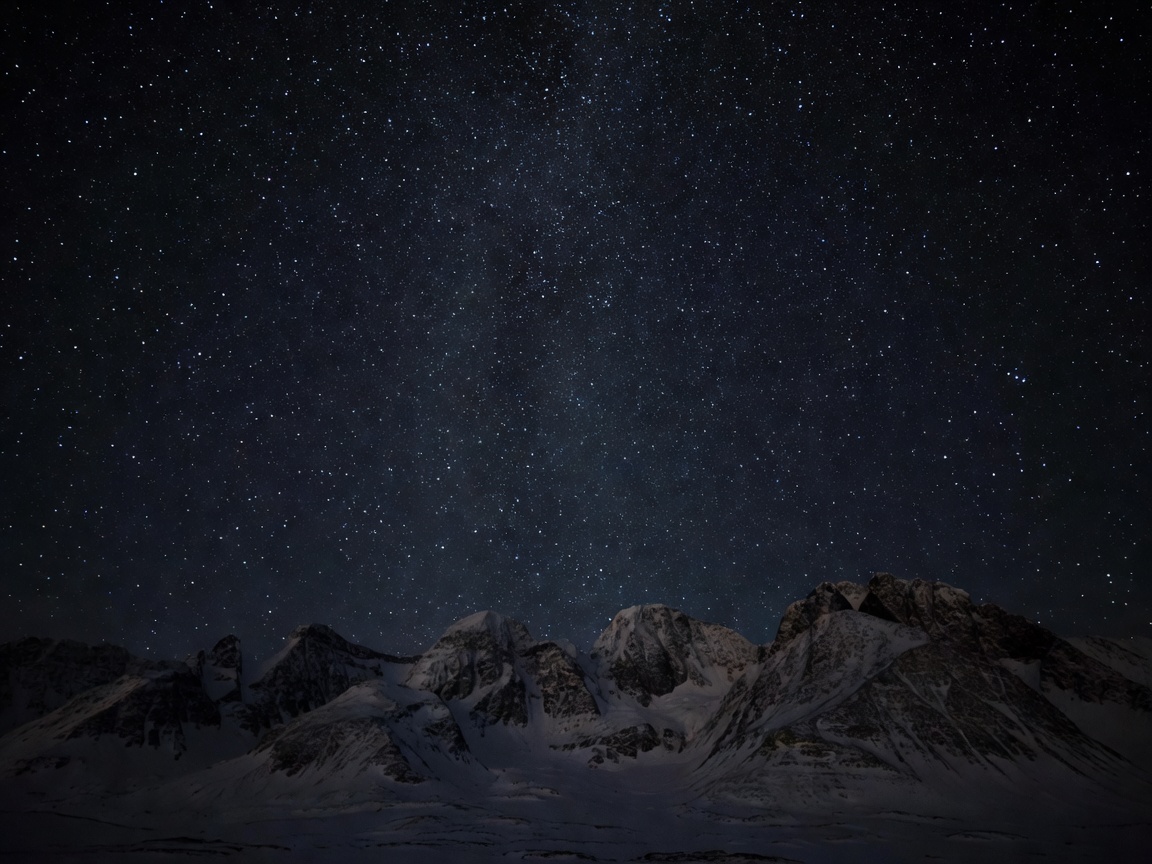
3. Get away from town lights. Even ten minutes out of Tromsø makes a visible difference. Look north, be patient, and give your eyes twenty minutes to adapt.
Most failed aurora nights end because people got cold, not because the sky stayed empty. Wool base layer, fleece or down mid-layer, windproof shell, insulated trousers, boots rated to −25 °C, two pairs of gloves (thin liners for camera work), and a thermos. Tour operators supply thermal suits; take them even if you think you are dressed adequately.
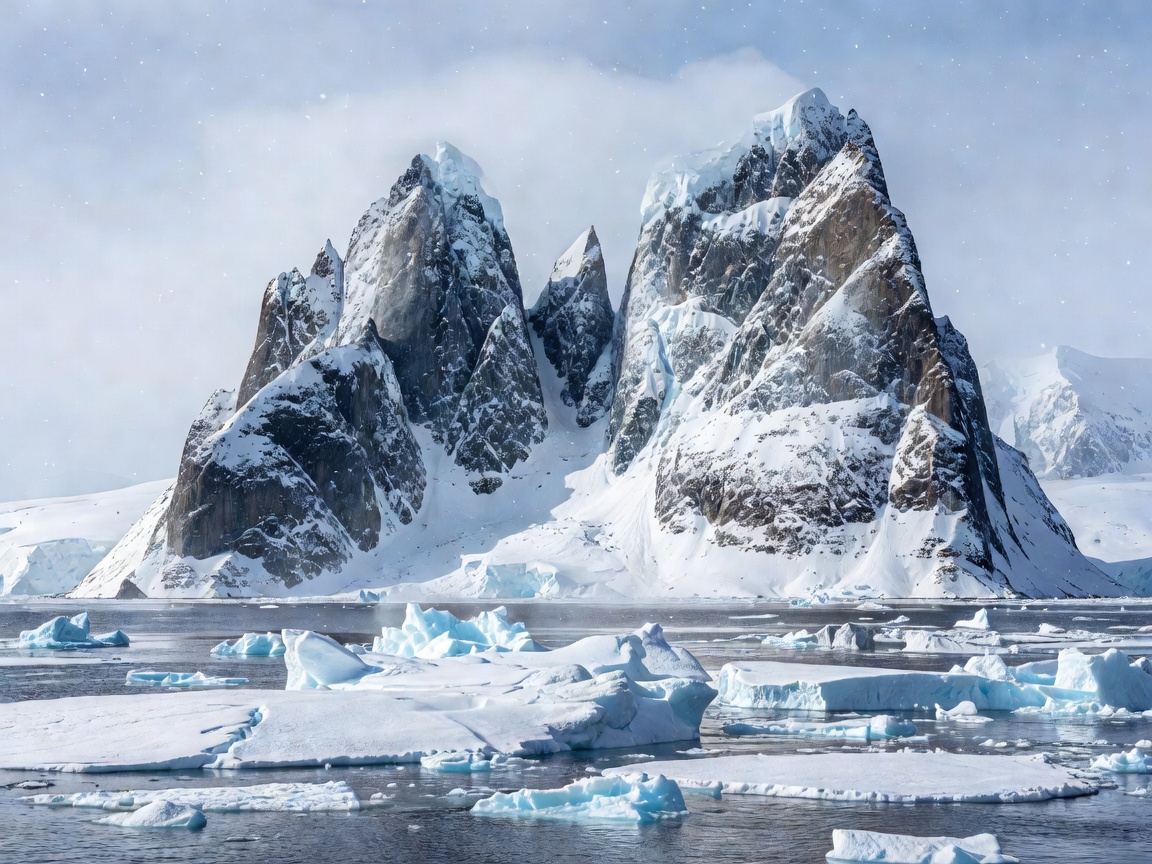
The best aurora foregrounds in Norway, and how to drive them in winter.
Open file →
Seven nights structured around aurora windows and weather escapes.
Open itinerary →