Guide
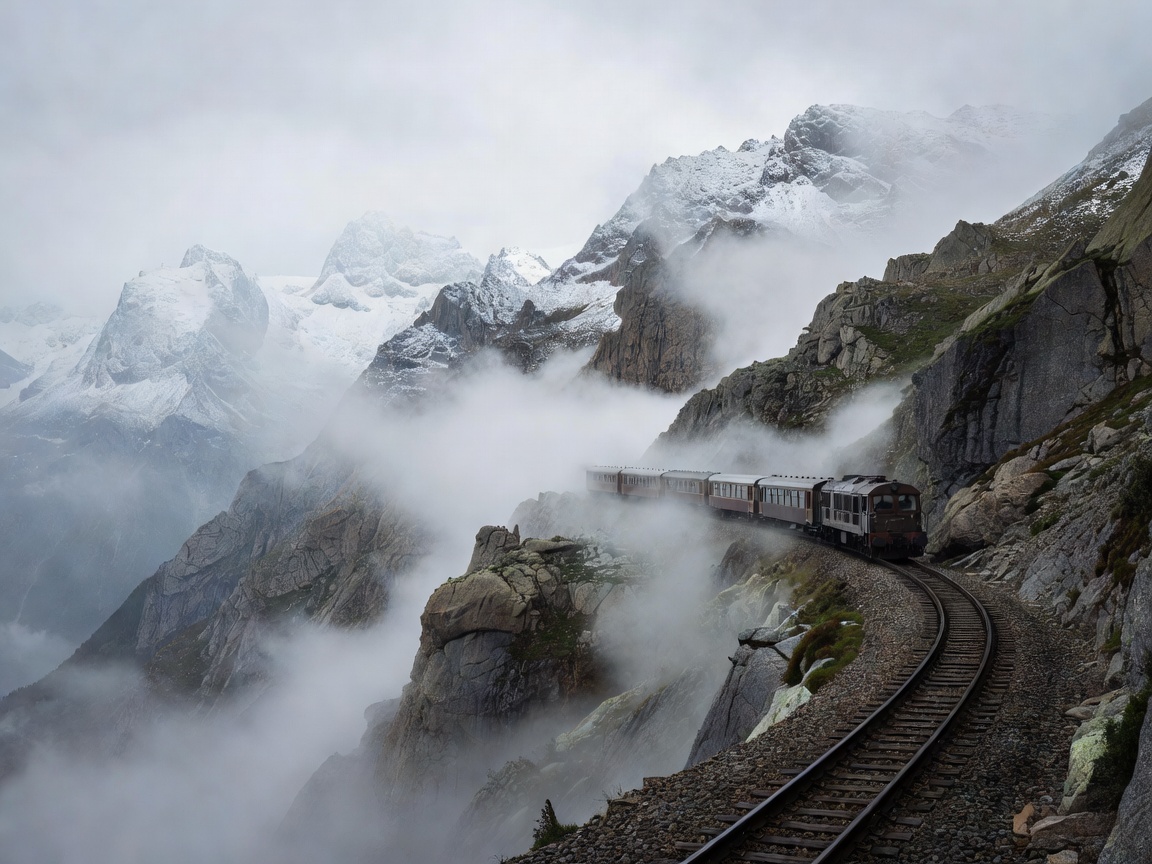
Oslo to Bergen by rail
The full 496 km crossing of the Hardangervidda, seat by seat.
Open guide →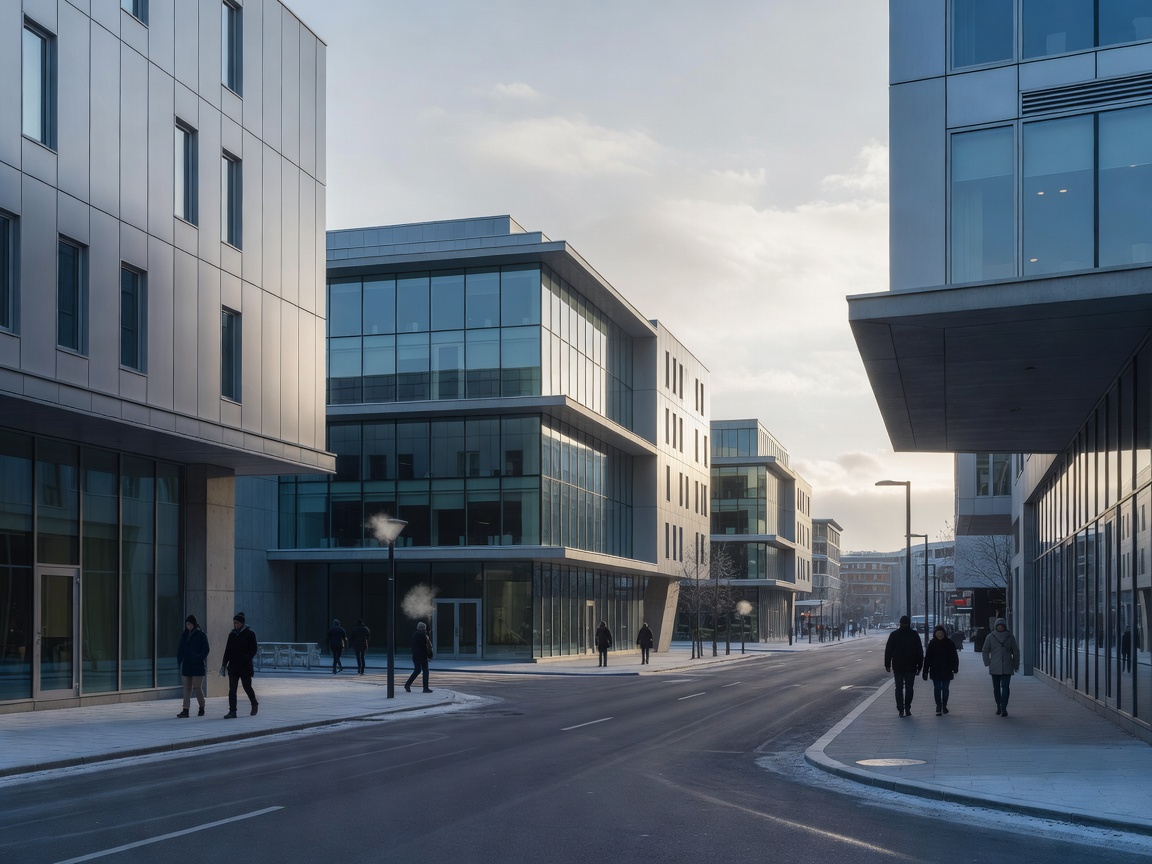
Home / Destinations / Oslo
File 01 · Eastern Norway · 59.9139° N, 10.7522° EA capital that spent the last two decades turning its industrial waterfront into a public room — and still puts you on a tram to deep forest in thirty minutes.
Oslo sits at the head of a 100 km fjord, wrapped by wooded hills on three sides. Almost everything a visitor wants is within a 3 km arc: the Central Station and Opera House at the east end of the harbour, Aker Brygge and Tjuvholmen at the west end, Karl Johans gate running between the station and the Royal Palace, and the Bygdøy museum peninsula a short ferry ride across the water. The metro (T-bane) runs on six lines through a shared city-centre tunnel, and lines 1 and 5 climb straight into the Nordmarka forest.
What surprises most first-time visitors is how quickly the city ends. From Frognerseteren station at 469 metres you can walk for six hours through spruce forest and lakes without leaving the municipal boundary. Oslo is the only European capital where locals routinely commute to a ski trail.
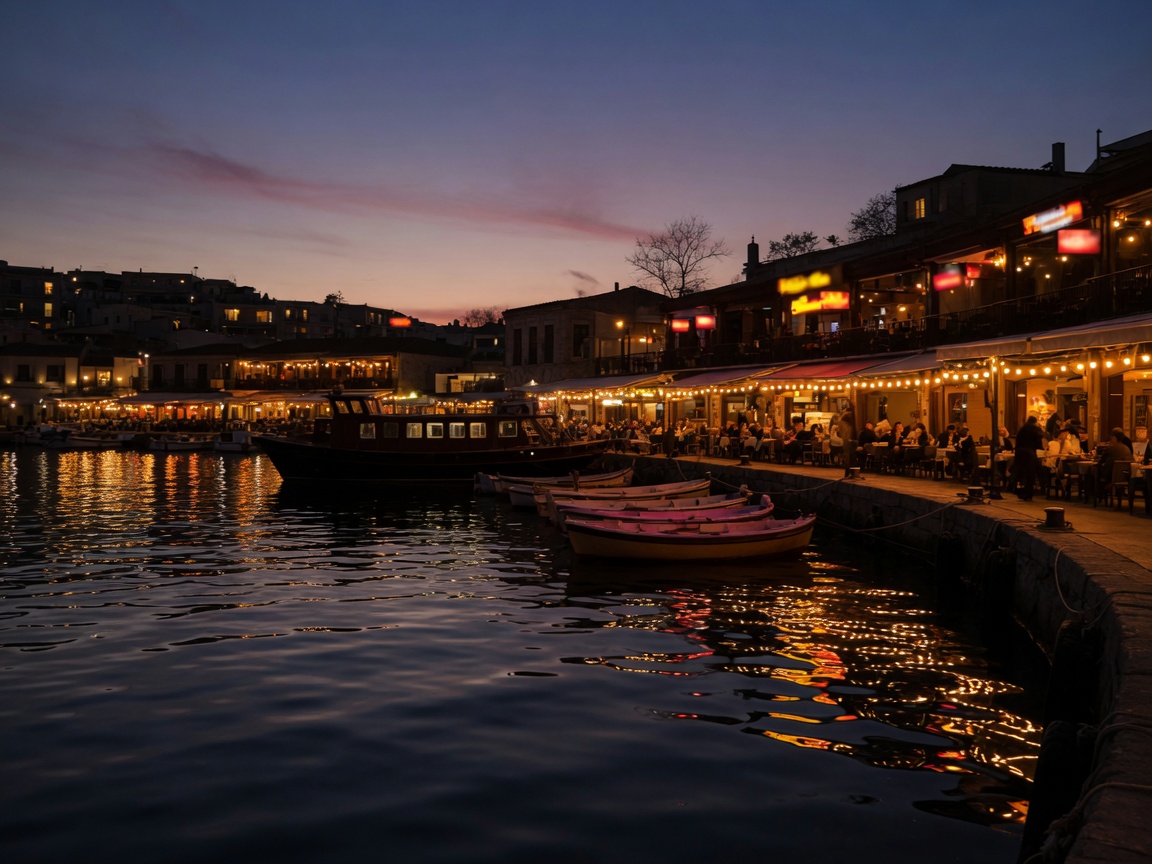
Oslo's food scene moved fast after 2015 and is now genuinely good rather than merely expensive. Mathallen at Vulkan is the easiest entry point: a covered food hall with cheese, cured meats, shellfish and a dozen small counters. For a proper sit-down meal, the city's strength is Nordic-influenced bistro cooking — reindeer, king crab, root vegetables, lingonberry, aged cheeses from Setesdal.
Budget tactics that work: lunch is priced far below dinner, bakeries (bakeri) sell excellent open sandwiches under NOK 120, and supermarket alcohol is a fraction of bar prices — though sales stop at 20:00 on weekdays and 18:00 on Saturdays. See our food and culture guide for the full breakdown.
One Ruter ticket covers metro, tram, bus and the Bygdøy and Nesodden ferries within zone 1. A 24-hour pass is generally worth it from the third journey. Oslo S is the country's rail hub: the Bergen Railway leaves here for the seven-hour crossing of the Hardangervidda plateau, and the Dovre Line runs north toward Trondheim. Both are covered in our scenic railways guide.
If you only have one clear evening in Oslo, take the ferry to Hovedøya island, walk the ruined Cistercian abbey, and come back at dusk. It costs the price of a tram ticket.
| Season | Daylight | Character | Verdict |
|---|---|---|---|
| Dec–Feb | 6–8 hrs | −5 °C average, Christmas markets, skiing from the metro | Good for atmosphere, short days |
| Mar–Apr | 11–15 hrs | Thaw, quiet museums, unpredictable slush | Cheapest shoulder |
| May–Jun | 17–19 hrs | 17 May national day, harbour opens up, long evenings | Best overall |
| Jul–Aug | 16–18 hrs | Warm, busy, many locals away on holiday | Good, book ahead |
| Sep–Oct | 10–13 hrs | Forest colour, crisp air, fewer visitors | Excellent value |
The full 496 km crossing of the Hardangervidda, seat by seat.
Open guide →
Oslo → Flåm → Bergen → Geiranger, with ferry timings that work.
Open itinerary →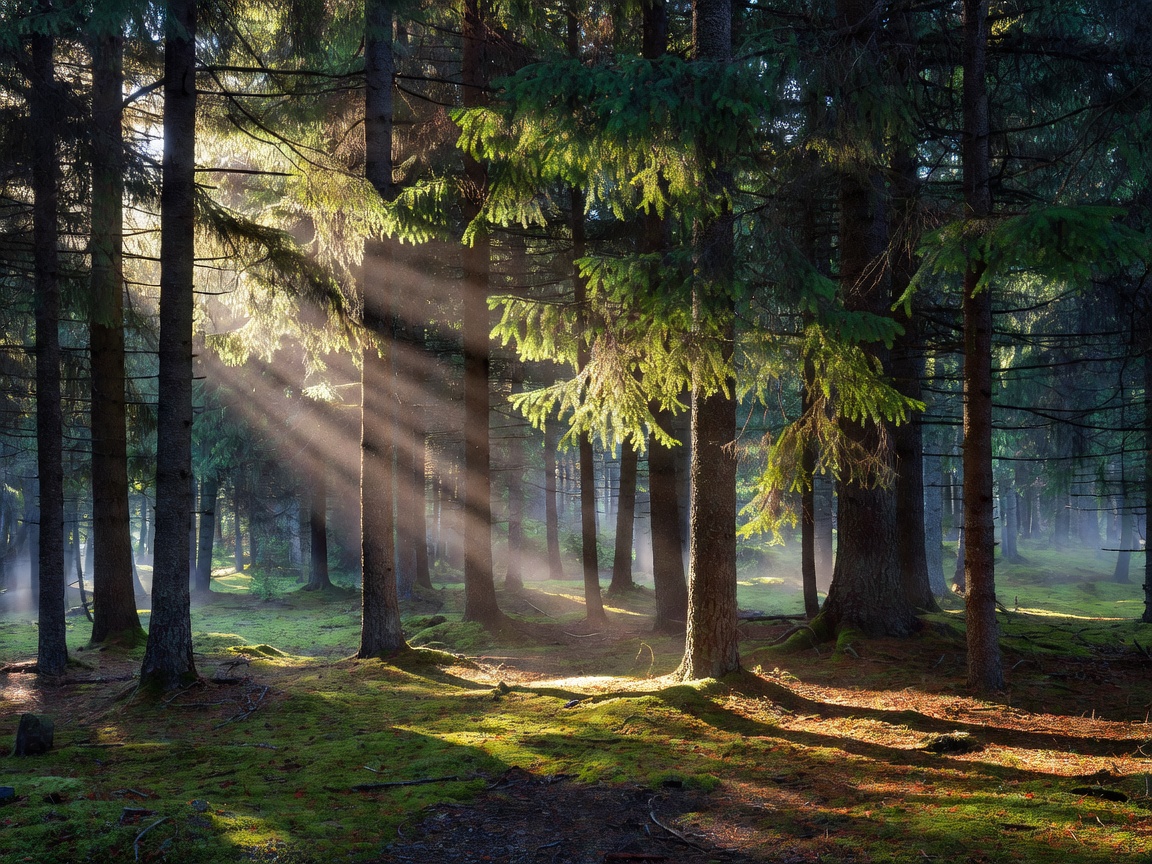
What Norwegians actually eat, and how not to spend NOK 900 on dinner.
Open guide →