In most countries a ferry is a special event you book weeks ahead. In western Norway it is a traffic light that happens to float. The crossings are part of the numbered road network, they run to a published timetable all year, and locals treat them the way you would treat a level crossing: you arrive, you wait, you go.
That changes how you plan. A route that looks like 280 kilometres and three and a half hours on a mapping app may include two crossings with a 40-minute headway each. Miss one by ninety seconds and your day is forty minutes longer. Chain three of those together and the map app is simply wrong.
Almost all crossings are now cashless and ticketless. A gantry photographs your plate as you drive on, and the fare is billed automatically. How it reaches you depends on your vehicle:
Foot passengers and cyclists usually still pay on board or at a machine, in cash or by card, and the fare is small.
The lane discipline is simple and strictly observed. Join the back of the queue in the marked lanes at the quay. Do not creep up the outside; the outer lane is normally reserved for buses, freight and pre-booked vehicles. Switch your engine off while waiting. When loading begins, follow the deckhand's hand signals exactly and stop where you are told, bumper-close to the car in front.
On board, apply the handbrake, leave the car in gear, and get out. Nobody stays in their vehicle on a Norwegian ferry — on the shorter crossings people go up for a coffee and a waffle, and on the longer ones the outside deck is the whole point. Return to the car when the vessel begins to slow.
Very few. The overwhelming majority operate first-come, first-served, and if a sailing fills you wait for the next one. The exceptions worth knowing:
| Route | Duration | Booking | Notes |
|---|---|---|---|
| Bodø – Moskenes (Lofoten) | 3 h 15 | Strongly advised for cars | Sells out through July and August |
| Hellesylt – Geiranger | 1 h | Advised in summer | Doubles as a sightseeing cruise |
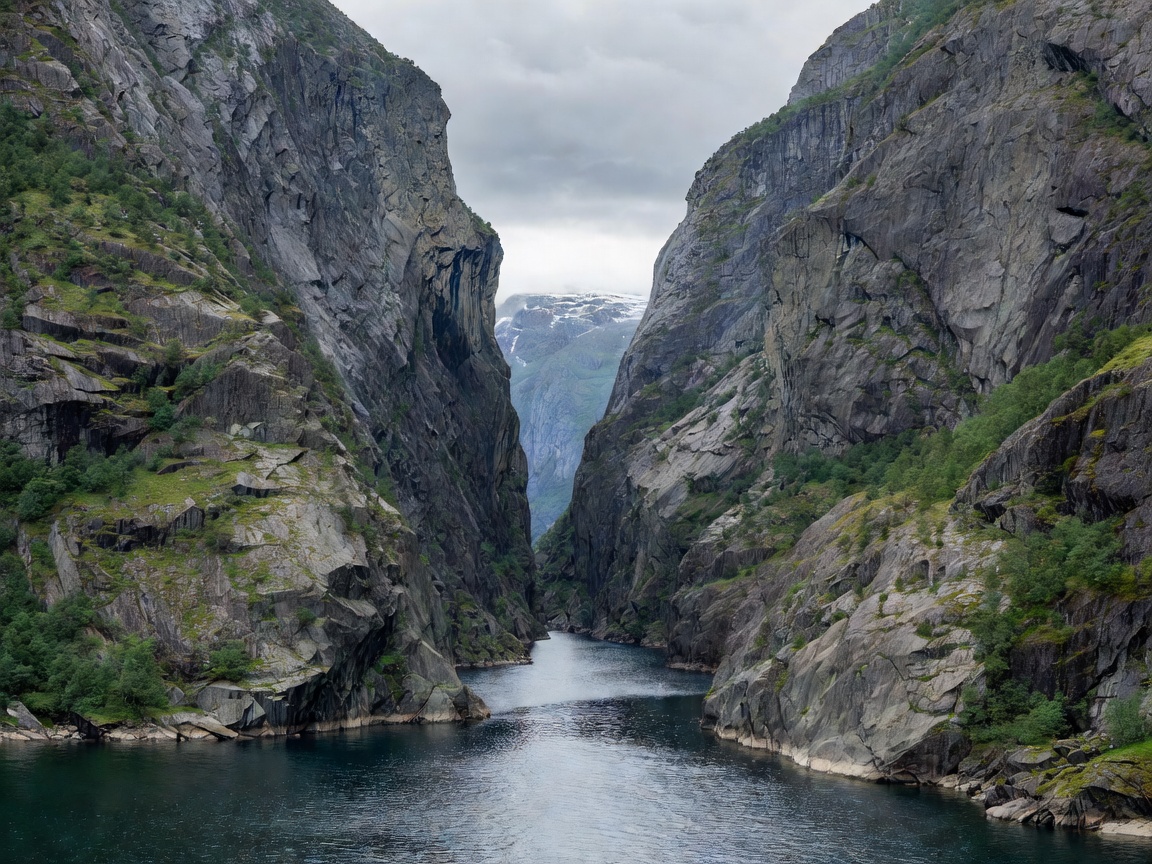
| Gudvangen – Flåm | 2 h | Yes in Jul–Aug | Passenger vessel, electric |
| Lavik – Oppedal (E39) | 20 min | No | Every 20–30 min, electric |
| Linge – Eidsdal | 10 min | No | Key link on the Trollstigen–Geiranger route |
| Vangsnes – Hella – Dragsvik | 15–25 min | No | Triangle service across the Sognefjord |
This is the single piece of advice that changes people's trips. Before you decide where to sleep, look up the timetable for every crossing on your intended route and write down the departures for the day you will travel. Then build the day around them. It is much easier to move a lunch stop than to conjure a sailing that does not exist.
Three specific traps:
The ferry is not dead time. On the Sognefjord crossings you get twenty minutes on an open deck with a view that people pay four hundred kroner for elsewhere. Go outside.
Norway now runs the largest battery-electric ferry fleet in the world, with more than eighty vessels in service and most new contracts requiring zero-emission operation. The practical differences for a passenger are pleasant: no diesel smell, almost no vibration, and quiet enough on the fjord routes to hear waterfalls from mid-channel. Charging happens during the loading window via an automated arm at the quay, which is also why crews are brisk about getting cars on and off.
A short crossing with a car and two adults runs about NOK 150–200. A longer fjord crossing of an hour or more runs NOK 300–450. A week of driving the west with five or six crossings therefore adds somewhere between NOK 1,000 and 2,000 to your budget, before tolls. Electric vehicles receive a reduced rate on most routes. Full cost breakdown in our road trips guide.
Foot passenger fares are low and the same vessels carry you. Several of the best fjord experiences in the country — Gudvangen to Flåm, Hellesylt to Geiranger — are scheduled transport, not tours, and cost a fraction of the equivalent sightseeing cruise. If you are travelling by public transport, our transport guide explains how bus, rail and ferry tickets interlock.